






Decorative Window Film for Homes & Offices: Stylish Privacy Without Curtains or Blinds
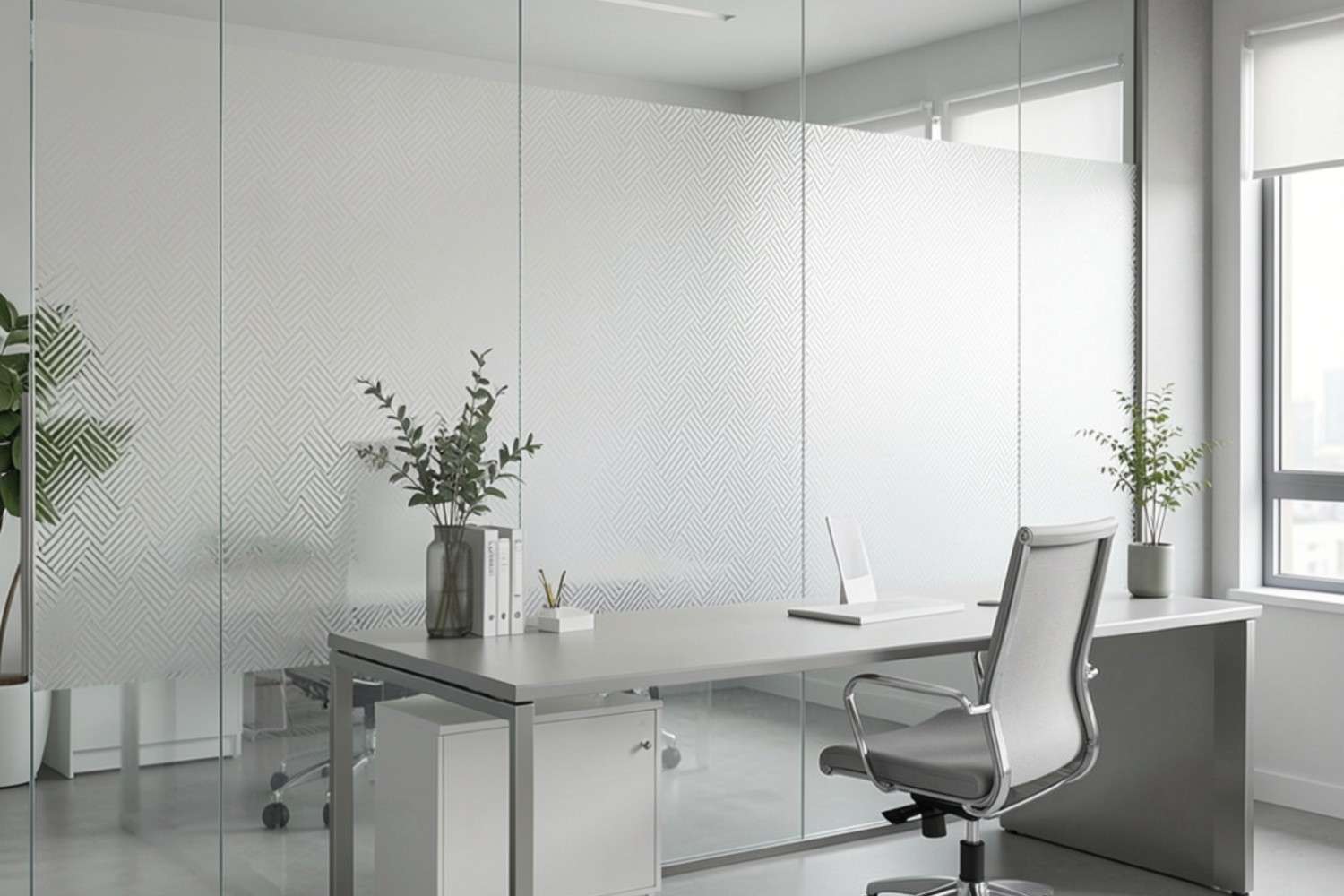
Many modern homes and offices now choose decorative window film over heavy curtains, blinds, and permanent etched glass. Simple interior styles have also increased the demand for privacy solutions that keep spaces bright and open.
Decorative films offer a practical way to add privacy without blocking natural light. They also improve the overall look of glass surfaces in bathrooms, office cabins, living rooms, meeting spaces, and glass partitions.
Used in both residential and office interiors, decorative window films combine style and functionality while helping spaces feel more modern and comfortable.
This guide explains how decorative window films can improve privacy, style, and everyday comfort in both homes and offices.
What is Decorative Window Film? Quick Answer
Decorative window film is often used to add privacy without making a space feel dark. Frosted and patterned films are commonly applied to bathroom windows, office glass, and partitions to reduce visibility while still allowing natural light inside. Some films can also help cut glare and UV exposure, making them a simple alternative to curtains or blinds.
What is Decorative Window Film and How Does It Work?
Decorative privacy film is a covering applied to glass to make spaces feel more private without fully blocking light. It is commonly used on windows, doors, and glass partitions where some visibility needs to be reduced while keeping the area bright.
Several installation options are available depending on the intended use:
- Static cling window film for easy removal
- Adhesive-backed films for permanent use
- Reusable films for temporary décor changes
Modern decorative glass film is used for both privacy and design. Many films also help reduce glare, improve comfort, and separate spaces without making them feel closed in.
Decorative films are different from solar-control films. Solar films mainly focus on heat and UV reduction, while decorative films are more focused on privacy and appearance. Some premium films combine both features in one solution.
Why Decorative Window Film is Better Than Curtains & Blinds
Modern homes and offices are moving toward cleaner and more open interiors. Heavy curtains and bulky blinds can make spaces feel smaller and block natural light, which is why more people are choosing modern privacy alternatives.
Window film instead of curtains is becoming more common in apartments, offices, and contemporary homes for several reasons:
- No rods, tracks, or hanging fabric
- Better natural light during the day
- Easier to clean and maintain
- Works well in smaller spaces
- Cleaner look for glass-heavy interiors
Window film instead of blinds also suits modern offices where privacy is needed without making the space feel closed off.
Smaller rooms benefit especially well from film-based privacy solutions since the glass continues to feel visually open even after privacy enhancement.
Types of Decorative Window Films for Homes & Offices
Decorative films are available in many different designs and finishes, making it easier to match them with different spaces and privacy needs.
Popular options include:
- Frosted window film helps create privacy without blocking light
- Etched glass window film gives glass an etched-style appearance
- Stained glass window film adds color and decorative patterns
- Geometric and abstract designs suit modern interiors
- Floral and mosaic patterns for decorative areas
- Ribbed or textured films for extra privacy
- Gradient films for partly visible glass
- One-way privacy film for daytime privacy
Each type offers a different level of privacy, light, and decoration based on where it is used.
Best Decorative Window Film for Homes
Residential use of window films now goes far beyond basic bathroom privacy. Today, these films are used across different parts of the home where both light and privacy are important.
Common residential uses include:
- Bathroom privacy window film for shower spaces and windows
- Added privacy for balcony and patio glass
- Decorative films for kitchen windows
- Bedroom glass partitions and panels
- Shower enclosures and sliding doors
- Decorative glass areas in living rooms
Many homeowners choose window film for natural light privacy to keep spaces private without blocking daylight.
Renter-friendly options like static cling window film are also popular since they can be applied and removed easily without damaging the glass.
Decorative films can also refresh older interiors without costly renovations or replacing existing glass.
Decorative Window Film for Office Privacy
Glass offices often require some level of privacy while still keeping the workplace open and bright. Decorative films are commonly used to create separate spaces without changing the overall look of the office.
Popular office applications include:
- Decorative film for glass partitions
- Conference room privacy
- Window film for office cabins
- Reception area décor and branding
- Privacy for executive cabins
- Division within open-office spaces
Office privacy window film can help reduce distractions while maintaining an open office look. Frosted and gradient styles are often used to add privacy without fully blocking the view.
Many businesses also integrate logos, branding elements, or geometric designs into decorative films to strengthen workplace identity and professionalism.
Privacy Window Film That Keeps Natural Light
One of the biggest benefits of decorative films is that they add privacy without making a space feel dark.
Unlike heavy curtains or blinds, these films soften and spread natural light instead of blocking it completely. Decorative frosted film is especially popular for keeping interiors bright while limiting direct visibility.
This works well in:
- Bathrooms
- Office cabins
- Entryways
- Glass meeting rooms
- Hallways with low natural light
These privacy window films help limit outside visibility without making interiors feel dark. Spaces still look bright, open, and comfortable during the day.
Benefits of Decorative Window Film
Modern decorative films also contribute to interior protection and comfort.
Many premium UV protection window film products help minimize harmful ultraviolet exposure that can gradually damage furniture, flooring, artwork, and upholstery. Some premium films block up to 99% UV rays.
Additional benefits include:
- Reduced glare on monitors and screens
- Improved visual comfort in workspaces
- Better indoor temperature stability
- Lower heat buildup near windows
- Reduced fading of interior finishes
These performance advantages make decorative films valuable for both residential comfort and commercial energy efficiency.
Decorative Window Film vs Curtains and Blinds
Several differences explain why decorative films are increasingly preferred over conventional window coverings.
The comparison below shows the key benefits of modern privacy window solutions.
Feature | Decorative Window Film | Curtains & Blinds |
Natural Light Retention | High | Lower |
Space Usage | Minimal | Bulky |
Maintenance | Easy | Higher |
Modern Aesthetics | Excellent | Traditional |
DIY Installation | Easier | Moderate |
Privacy | Good | Good |
Decorative films offer a cleaner and more space-efficient solution while maintaining natural light and modern aesthetics.
How to Choose the Right Decorative Window Film
The right decorative film usually depends on privacy needs, natural light, and the look of the space.
Some options are better suited for certain uses:
- Frosted window film works well for privacy while keeping spaces bright
- Static cling window film is a good option for rented spaces or temporary use
- UV-resistant films work better for windows that get strong sunlight
- Gradient and patterned films can give interiors a more decorative look
- Professional installation from experts like Global Hi-Tech Films can be useful for large glass areas and office partitions
The right film can also help the space maintain a clean and even look over time.
Final Thoughts on Decorative Window Film
Decorative window film offers a simple way to improve privacy, style, and comfort without making spaces feel dark or closed. From decorative window film for homes to decorative window film for offices, these films help create brighter interiors and a cleaner overall look.
They work well in bathrooms, office cabins, glass partitions, and living spaces where natural light is important. Many films also help reduce glare, block UV rays, and are easy to maintain.
Choosing the right film based on privacy needs, lighting, and interior style can improve both the appearance and everyday comfort of residential and commercial spaces.
FAQ on Decorative Window Film
- What is decorative window film, and how does it work?
Decorative window film is a thin adhesive layer applied to glass to add privacy, style, or light control without replacing the window. - Can decorative window film provide privacy without blocking natural light?
Yes, many decorative films allow sunlight to pass through while limiting outside visibility for better daytime privacy. - Is decorative window film better than curtains or blinds?
It can be a cleaner and more modern option since it provides privacy without making spaces feel dark or bulky. - What are the different types of decorative window films?
Popular options include frosted films, etched glass films, stained glass designs, geometric patterns, and one-way privacy films. - Does decorative window film reduce UV rays and glare?
Yes, many window films help reduce glare and block a portion of harmful UV rays that can fade interiors over time. - Can decorative window film be used in offices and conference rooms?
Absolutely. It is commonly used in offices, cabins, and conference rooms to add privacy while maintaining an open look. - What is the difference between frosted and one-way privacy window film?
Frosted film gives constant privacy on both sides, while one-way film mainly offers daytime privacy by reflecting light outward. - Can decorative window film improve interior aesthetics and modern decor?
Yes, decorative films can instantly give glass surfaces a more stylish, elegant, and contemporary appearance. - Is decorative window film easy to install and remove?
Most films are fairly easy to install, and quality films can usually be removed without damaging the glass.




 English
 German
 Spanish
 French
 Arabic
 Chinese
 Turkish
 Russian