





How Durable Is Architectural Window Film? Lifespan & Maintenance Guide
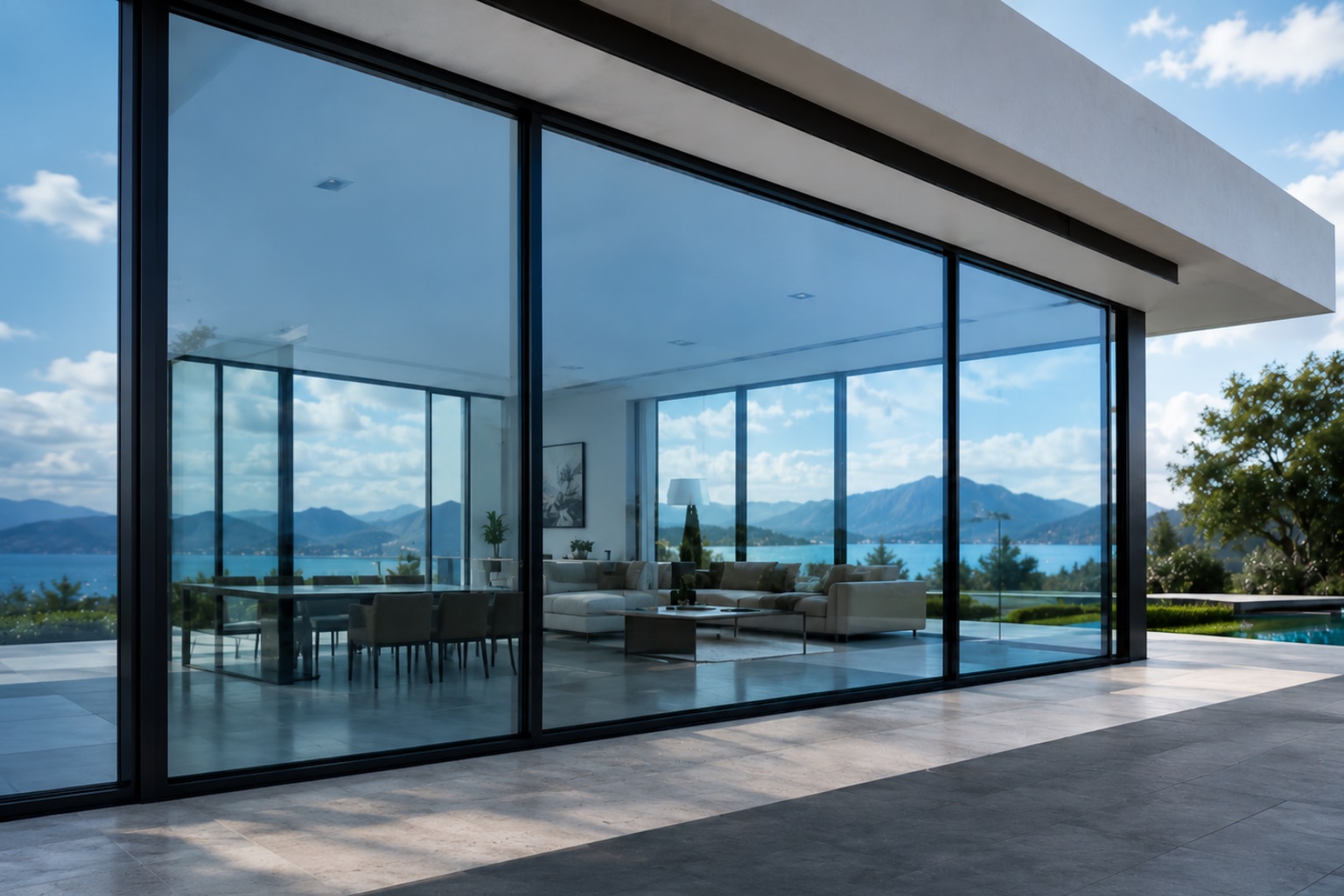
Architectural window film durability is one of the biggest considerations for property owners investing in long-term building performance. A high-quality architectural window film is a durable polyester-based material designed to improve comfort, energy efficiency, privacy, safety, and aesthetics. Whether installed as solar control film, decorative film, safety film, or security film, its service life depends on the product selected, installation quality, environmental conditions, and ongoing maintenance.
Knowing the architectural window film lifespan helps residential and commercial property owners plan maintenance and avoid early replacement costs. UV exposure, heat exposure, glass orientation, cleaning, and installation all affect how long does window film last. Watching for window film replacement signs and following proper window film maintenance supports lasting performance.
Here is a closer look at what determines durability, expected lifespan, maintenance requirements, and the warning signs that indicate replacement may be necessary.
How Durable Is Architectural Window Film? Quick Answer
There is no single lifespan for architectural window film. A properly installed interior window film generally lasts longer than exterior window film, which faces constant weather exposure. Premium solar control film, safety film, and security film are made for long-term use, though heat exposure, poor installation, and improper cleaning can lead to bubbling, peeling, yellowing, delamination, and reduced optical clarity. Regular window film maintenance helps preserve performance in the case of long-lasting window film.
Architectural Window Film Lifespan by Film Type
A film's expected service life is never fixed. Material quality, installation, and the conditions it faces over time all make a difference. The estimates below reflect common performance across major window film categories.
| Film Type | Typical Lifespan | Notes |
| Residential interior film | 10–15+ years | Often lasts longer with moderate use |
| Commercial interior film | 10–12 years | Higher cleaning frequency and traffic can increase wear |
| Solar control film | 15–20 years | Designed for heat, glare, and UV control |
| Decorative film | 10–15 years | Usually installed indoors with less environmental stress |
| Safety/security film | 10–20 years | Thicker construction improves durability |
| Exterior film | 5–7 years | Constantly exposed to weather, moisture, UV, and abrasion |
Every building creates different conditions for window film. That is why architectural window film lifespan varies from one installation to another. A protected interior window film usually lasts longer than exterior applications, making exterior window film lifespan naturally shorter. Frequent maintenance may affect commercial window film lifespan, whereas solar control window film lifespan and safety window film lifespan are commonly associated with extended service life.
Decorative window film durability is also generally strong, especially for interior installations where the film remains protected from weather and physical wear.
Interior vs Exterior Window Film: Which Lasts Longer?
Installation location is one of the biggest factors affecting durability.
| Application | Durability Outlook | Why |
| Interior film | Longer lifespan | Protected from rain, wind, and direct weather |
| Exterior film | Shorter lifespan | Exposed to UV, moisture, heat, and surface abrasion |
Choosing the right installation location is just as important as choosing the right film.
The service life of interior window film is often longer simply because it is shielded from outdoor exposure. Adhesion and optical clarity tend to remain stable under those conditions. Exterior window film fills the gap when indoor installation cannot be carried out, although it usually needs more attention over time. Glass exposed to strong sunlight and changing weather benefits from a film designed for those conditions.
What Factors Affect Architectural Window Film Lifespan?
More than the manufacturer's rating, architectural window film durability depends on several real-world conditions.
- Film quality: Better-quality films are less prone to fading, peeling, discoloration, and adhesive failures.
- Sun exposure: Windows exposed to strong sunlight age faster.
- Glass orientation: South- and west-facing glass usually receives the highest solar load.
- Climate conditions: Hot weather, humidity, rainfall, and temperature swings affect long-term performance.
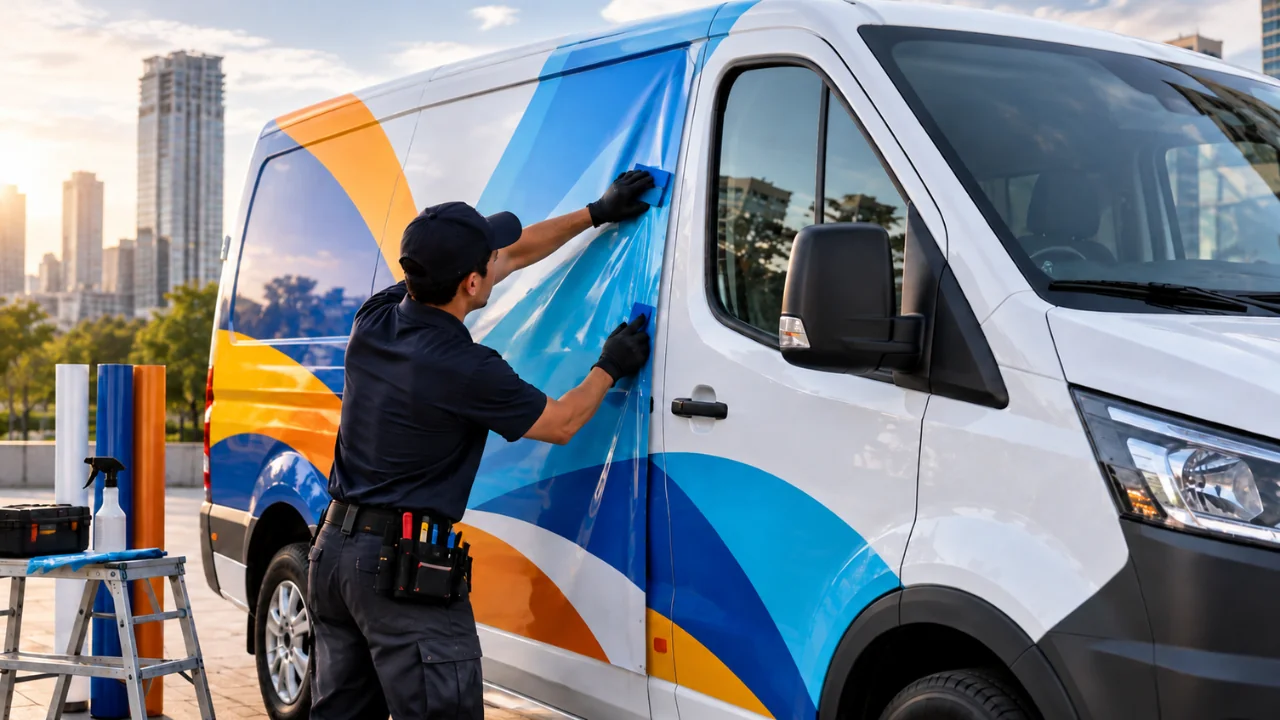
- Professional installation: Careful installation reduces the risk of bubbles, lifted edges, and poor adhesion.
- Cleaning methods: Rough cleaning tools and strong chemicals can wear the film sooner.
- Application side: Interior window film is usually exposed to less wear than exterior window film.
- Building usage: Heavily used commercial buildings often need inspections more frequently.
Each of these factors works together to determine how long does window film last, making product quality only one part of the overall equation.
Window Film Warranty vs Actual Lifespan
Warranty coverage and product lifespan are often treated as the same thing, even though they measure different aspects of performance.
A manufacturer's warranty only defines the situations it will cover. The actual architectural window film lifespan depends on how the film is installed, the conditions it faces, how it is cleaned, and how the glass is used over time.
Warranty terms do not predict exactly how long a film will last. One installation may continue performing for years, while another may show signs of wear much earlier under tougher conditions or poor maintenance.
Signs That Architectural Window Film Needs Replacement
Most window film shows signs of wear before its performance noticeably changes.
Sign | What It Means |
Bubbling | Adhesive may be failing |
Peeling edges | Film bond is weakening |
Yellowing or purpling | UV or dye degradation |
Haze or distortion | Optical clarity is reduced |
Cracking | Film has become brittle |
Delamination | Film layers are separating |
Reduced heat control | Performance may be declining |
More glare indoors | Film may no longer perform well |
Spotting these signs early can help avoid a bigger drop in performance.
The first signs are not always the same. Some films begin to bubble or lift at the edges, while others become hazy or discoloured after years of sun exposure. Cracks, delamination, and weaker heat control are also recognised window film replacement signs.
What to Expect During the First 30 Days After Installation
The first month after installation is important for the film to settle properly.
As the adhesive bonds with the glass, avoid cleaning until the installer says it is safe. A light haze or small water pockets can appear during this stage and usually clear on their own.
The curing stage is not the time to handle the film edges. Any early peeling, large bubbles, or obvious distortion should be checked by the installer.
How to Maintain Architectural Window Film and Extend Its Lifespan
Good window film maintenance helps protect the film's appearance and performance over time.
- Clean with a microfiber cloth or soft sponge.
- Use an ammonia-free cleaner or mild soap and water.
- Avoid abrasive pads or rough paper towels.
- Do not use razor blades on filmed glass.
- Clean carefully around the film edges.
- Wipe away dirt before it becomes difficult to remove.
- Schedule inspections for high-sun or commercial installations.
With regular care, a long-lasting window film is more likely to stay clear and continue performing as expected.
Should You Repair or Replace Architectural Window Film?
Not every window film problem means it has to be replaced. In some cases, repairs are enough to restore its performance.
Minor edge lifting or a few isolated bubbles can often be repaired after a professional inspection. However, widespread bubbling, peeling, yellowing, delamination, or cracking usually indicates that the film has deteriorated and replacement is the better solution.
A new window film restores heat rejection, UV protection, indoor comfort, appearance, and energy efficiency while offering the advantages of newer window film technology.
How to Choose Long-Lasting Architectural Window Film
Selecting the right product from the beginning has a direct impact on long-term durability.
- Intended film application and performance goals
- Interior or exterior installation requirements
- Expected UV exposure and heat exposure
- Manufacturer warranty coverage
- Independent product testing and performance ratings
- Availability of professional installation
- Recommended maintenance procedures
- Suitability for residential or commercial projects
Reviewing these factors carefully helps you choose a long-lasting window film that delivers reliable performance for years.
Established manufacturers such as Global Hi-Tech Films offer solutions designed for different performance requirements, making it important to match the film to the application.
Conclusion: How to Maximise Architectural Window Film Durability
Architectural window film is a durable building upgrade when the product and installation are done right. Architectural window film durability varies with the film type, exposure to the elements, installation quality, and routine window film maintenance. In most cases, commercial and residential window film lifespans are longer for interior applications, while exterior window film lifespans are usually reduced by continuous weather exposure.
Regular inspections make it easier to identify window film replacement signs such as bubbling, peeling, yellowing, haze, delamination, and declining performance before more significant issues develop.
With professional installation and proper care, architectural window film can deliver years of comfort, privacy, protection, and design value.
FAQs About Architectural Window Film Lifespan
- How long does architectural window film last?
Most architectural window films last between 10 and 20 years, depending on the film type, installation quality, and environmental conditions. - What type of window film lasts the longest?
High-quality solar control and safety/security window films typically have the longest lifespan when installed and maintained properly. - Does exterior window film last as long as interior film?
No. Exterior window film is exposed to weather and UV rays, so it generally has a shorter lifespan than interior film. - How long does commercial window film last?
Commercial window film usually lasts 10–12 years, although the lifespan varies with usage, maintenance, and exposure. - What causes window film to bubble or peel?
Poor installation, aging adhesive, prolonged sun exposure, or moisture can cause window film to bubble or peel over time. - Does window film turn yellow over time?
Some older or lower-quality films may yellow with age, while premium films are designed to resist discoloration. - How do you maintain architectural window film?
Clean it with a soft microfiber cloth and a mild, ammonia-free cleaner to help preserve its appearance and performance. - Can window film be cleaned with regular glass cleaner?
Only if the cleaner is ammonia-free. Cleaners containing ammonia may damage certain window films over time. - When should window film be replaced?
Replace window film if you notice persistent bubbling, peeling, yellowing, cracking, delamination, or reduced performance. - Is professional installation important for window film durability?
Yes. Professional installation improves adhesion, reduces installation defects, and helps maximise the film's lifespan.


 English
 German
 Spanish
 French
 Arabic
 Chinese
 Turkish
 Russian